
Clothing production cost depends on fabric, construction, garment quantity and the specifications your factory is quoting. A reference photo can support an initial estimate, but it rarely supplies enough information for a confirmed bulk price. For a fashion brand, the useful question is whether the quote includes the materials, workmanship and finishing required for the approved garment.
At Laiwen Clothing, recent development enquiries have included layered dresses, velvet blazers, wool separates and detailed matching sets. These projects show why two garments in the same product category can have very different costs.
Have a design and target budget? Send both to [email protected], or message us on WhatsApp: +86 13392371667, for an initial feasibility review.
1. Fabric changes clothing production cost
Composition, weight, usable width, finish and availability affect fabric purchasing. A wool skirt and a skirt made from a stock blend should not be compared as equivalent products. Similarly, the word “velvet” does not specify its fiber content, backing, stretch or weight.
Tell the factory which material requirements are essential and which are flexible. A physical swatch helps you assess whether a proposed alternative preserves the appearance and feel you want. A substitution should be approved before the sample or production specification changes.
2. Fabric consumption matters as much as fabric price
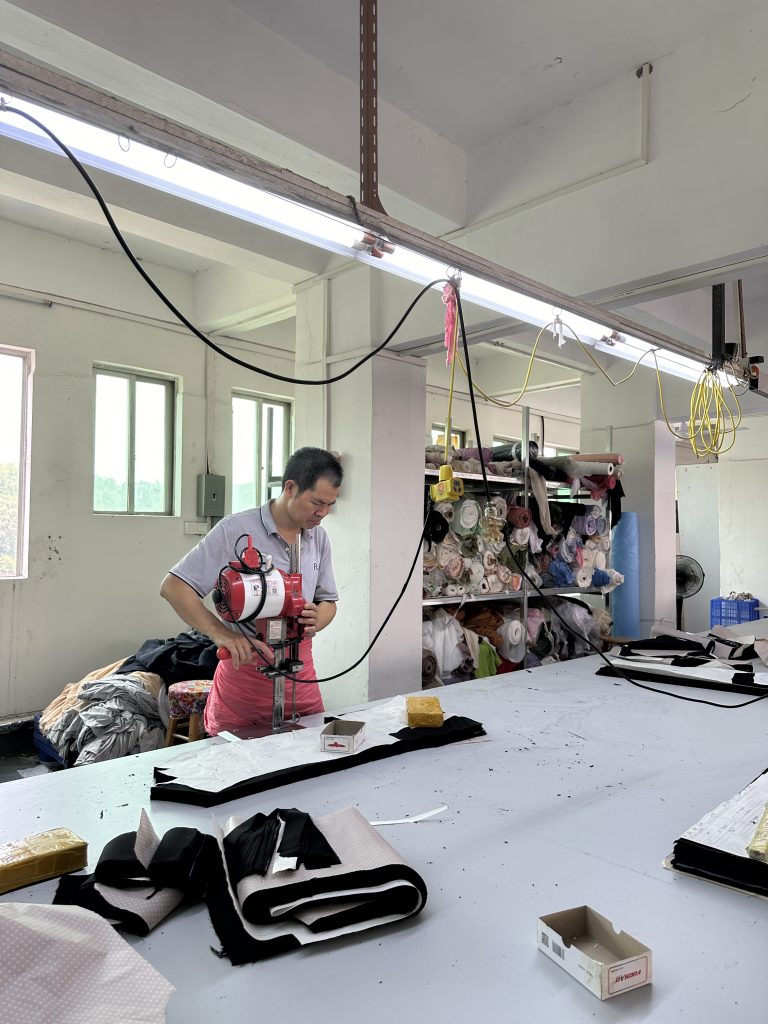
Wide legs, long lengths, generous sleeves and layered hems can require more fabric than a simpler garment. Print placement, fabric direction and usable width may also limit cutting efficiency.
For example, removing embroidery from a layered dress does not remove the cost of its multiple skirt layers or gathered panels. The factory still needs to develop and assemble the underlying garment.
3. Sewing and decoration require separate work
Panelled bodices, front gathers, hand-sewn bows, lining and unusual closures add operations. Embroidery, sequins or printing may require artwork preparation, supplier testing and a separate production schedule.
If the target budget is tight, ask which details drive the cost before paying for development. Some designs remain expensive after one decoration is removed because the pattern and sewing are still complex.
Need to understand a detailed design’s cost drivers? Email the front, back and detail views, or send them on WhatsApp: +86 13392371667, and identify the features you want to keep.
4. Quantity and colors affect the production plan
For custom garments, quantity is generally assessed per style and color. Fifty pieces in one color involves a different purchasing and cutting plan from fifty pieces divided into two colors. A material supplier may have a minimum that is separate from the garment factory’s minimum.
Small orders distribute setup work across fewer garments. Share the actual breakdown rather than only the collection total when requesting a clothing production cost estimate.
5. The size range affects cutting and handling
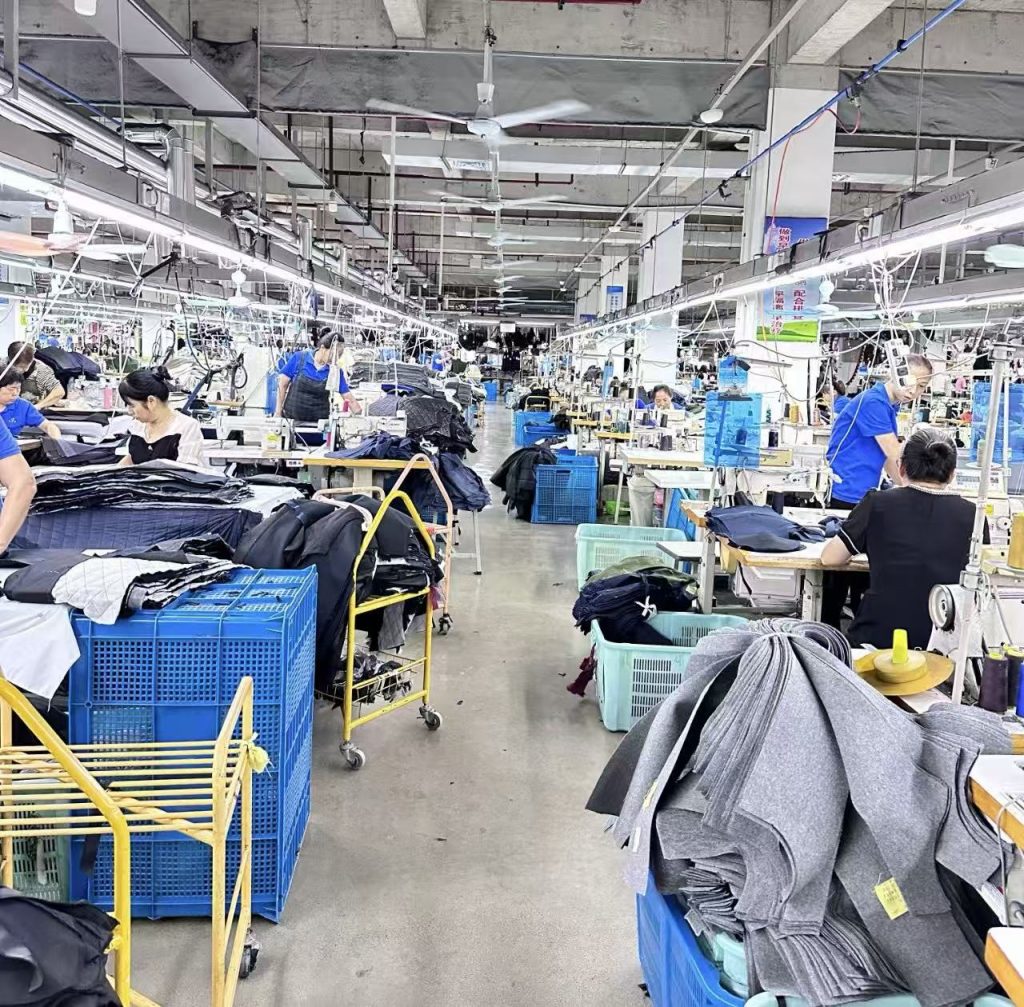
An order divided among many sizes requires graded patterns and a cutting plan for each size. Very small quantities per size can increase handling work. Fit also needs to be established before grading: petite proportions, for example, may require changes to the rise, knee position and flare placement rather than a shorter hem alone.
6. Development and packaging need a clear scope
Sample development is normally quoted separately from the bulk garment price. Confirm what the sample fee covers, how revisions are handled and whether custom print or embroidery setup is extra.
Main labels, care labels, hangtags and branded bags also need specifications. A large or bulky garment may require a different bag from a standard top. Ask which branding and packaging items are included before comparing quotes.
Want a quote with a clear scope? Email your quantity, size range and branding requirements, or contact us on WhatsApp: +86 13392371667.
7. Freight is a separate decision
An EXW quotation and a delivered quotation cover different responsibilities. Under Laiwen Clothing’s usual EXW arrangement, shipping is separate. An early freight estimate may use provisional packing data; final carton quantities and dimensions become available after production and packaging.
What to send for a useful factory quote
| Information | Why it matters |
|---|---|
| Design or tech pack | Defines construction and details |
| Fabric specification | Establishes material requirements |
| Quantity per style and color | Defines the production run |
| Sample size and full size range | Supports pattern and grading review |
| Labels and packaging | Makes the quote scope clear |
| Target budget and launch date | Helps assess feasibility and timing |
How to read a quote line by line
A factory quote is only comparable when you know what each line covers. Before comparing two quotes, check these items in each one:
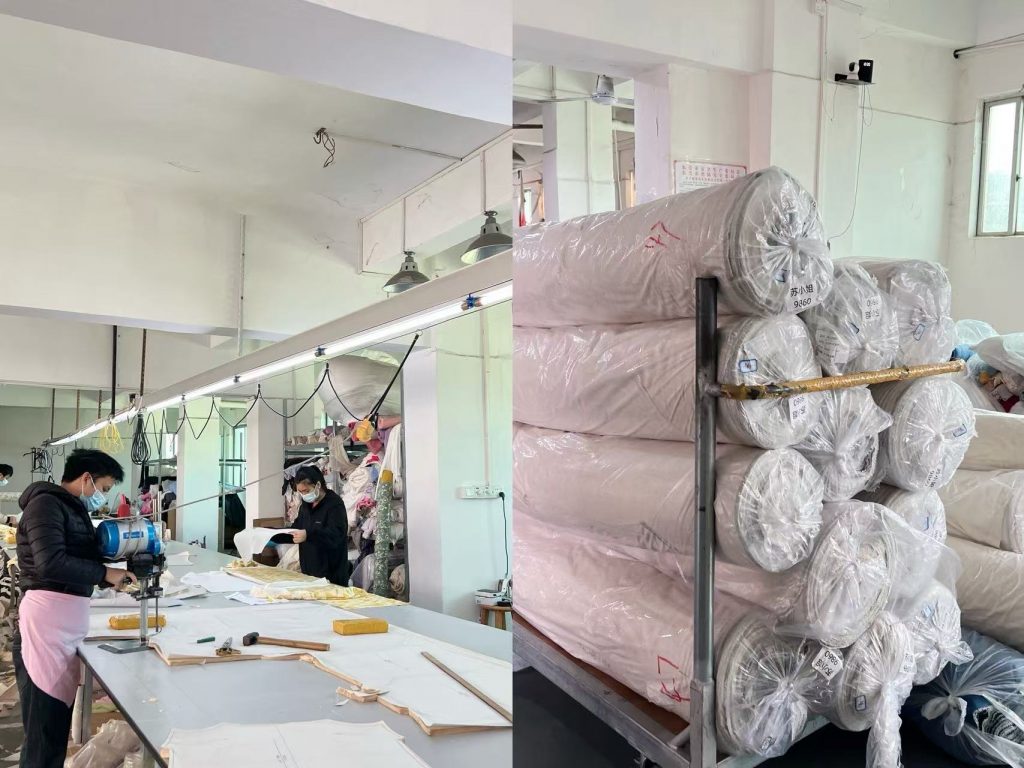
Fabric and lining. The exact specification — composition, weight, usable width, finish — not a trade name. “Velvet” does not specify fiber content, backing, stretch, or weight, and a wool skirt and one made from a stock blend are not equivalent products.
Quantity per style and color. The number of pieces for each style, in each color, with the size breakdown. Fifty pieces in one color involves a different cutting plan from fifty split into two colors, and a material supplier may have a minimum separate from the garment factory’s.
Decoration and branding. Embroidery, printing, labels, hangtags, and packaging — each with technique, dimensions, setup, and quantities. Main labels, care labels, and branded bags need specifications, and a bulky garment may need a different bag from a standard top.
Development. Sample development is normally quoted separately from the bulk price. Confirm what the sample fee covers — usually USD 60–120 per piece for adults, USD 40 for childrenswear — how revisions are handled, and whether print or embroidery setup is extra.
Freight. An EXW quotation and a delivered quotation cover different responsibilities. Under EXW, shipping is separate, and an early freight estimate may use provisional packing data; final carton quantities come after production and packaging.
Related: OEM/ODM Service · Children’s Clothing Samples: 6 Essential Checks Before Production
When a quote looks too low
A quote far below the others usually covers a different product. Check whether the fabric specification matches, whether the lining and trims are included, whether labels and packaging are in the price, and whether the sample and its revisions are covered. A lower garment price may exclude embroidery setup, branded packaging, or freight — and those costs appear after you have committed.
If the specification matches and the price is still much lower, ask how. The answer may be genuine — a stock fabric, a simpler construction, a fuller schedule — or something may have been left out. Ask for the specification in writing and compare the whole quote, not the unit price alone.
The same logic applies to removing a detail to save money. Removing embroidery from a layered dress does not remove the cost of its multiple skirt layers or gathered panels, and some designs stay expensive because the pattern and sewing are still complex. Ask which details drive the cost before paying for development.
Related: Low MOQ Garment Manufacturer · Compare Clothing Manufacturers: 7 Checks After the Canton Fair
Working with Laiwen Clothing
Laiwen Clothing is a low-MOQ OEM/ODM garment manufacturer in Humen, Dongguan, making womenswear, childrenswear, and family wear for startups and small brands. Our minimum is 80–100 pieces per style per color, with some styles from 50 pieces; sampling usually takes 7–14 days and bulk production usually takes 4–5 weeks. To review a first collection, send your designs, material preferences, and quantity per style and color to [email protected] or WhatsApp Lily on +86 13392371667, and we will assess what needs confirmation before sampling or quoting.
Related: Contact Laiwen Clothing
Frequently asked questions
Can you confirm the bulk price before sampling?
An initial estimate may be possible. A firmer price follows confirmation of the materials, pattern and construction, especially for an unusual or detailed design.
Will removing embroidery bring the garment within my budget?
It can reduce one cost, but fabric consumption and sewing may remain substantial. The whole design needs review.
Can I compare factory quotes by unit price alone?
Compare fabric, specifications, quantity, branding, packaging and shipping terms as well. Otherwise, the quotations may cover different products or services.
Review your first collection with Laiwen Clothing
Request a clothing production cost review: Send your designs, material preferences and quantity per style and color to [email protected], or WhatsApp +86 13392371667. We will assess the information and advise what needs confirmation before sampling or a bulk quotation.
