
To compare clothing manufacturers after a sourcing trip, ask shortlisted suppliers to quote the same garment specification and quantity breakdown. Review their material proposals, sample terms, workmanship and production process alongside price. A positive meeting or attractive display sample is useful, but your own development project provides more relevant evidence of fit.
After the Canton Fair and factory visits, a brand may return home with several quotations that appear comparable. Often they include different fabrics, quantities or services. Organizing those differences is the first step toward choosing a suitable manufacturing partner.
Ready to review your collection? Send your priority designs and planned quantities to [email protected], or WhatsApp +86 133 9237 1667, for a development discussion with Laiwen Clothing.
1. Compare clothing manufacturers against one written brief
Prepare a separate style sheet for each garment. Include front and back views, measurements, fabric requirements, trims, decoration and labels. Identify essential details and areas where alternatives are acceptable.
Use the same brief for each shortlisted factory. If a supplier proposes a change, record it separately rather than comparing the revised garment with another supplier’s original specification. This is especially important for lined jackets, custom prints and detailed dresses.
2. Check the quantity behind every quotation
A quote for 100 pieces in one color does not describe the same production run as 100 pieces divided across several colors. Share the quantity per style and color, followed by the size breakdown.
At Laiwen Clothing, the standard MOQ is 80–100 pieces per style and color (some styles from 50 pieces). Selected startup projects can be reviewed at 50 pieces per style and color. A 20-piece custom run is not a workable substitute for that minimum. Material and trim suppliers may also have separate purchasing requirements.
3. Make the fabric proposal specific
Ask for composition, approximate GSM, usable width, color availability and the intended finish. A description such as “premium cotton” does not establish whether two suppliers are offering equivalent materials.
Request physical swatches where appropriate and label them by supplier and fabric code. If a certification is required, ask what documentation applies to the proposed material. Do not assume a fabric certificate covers the garment factory’s working conditions or every component in the product.
Need a material-based comparison? Email your garment brief and fabric requirements, or discuss the priorities on WhatsApp +86 133 9237 1667.
4. Separate included costs from additional charges
| Quote item | What to establish |
|---|---|
| Main fabric and lining | Exact proposed specification |
| Printing or embroidery | Technique, dimensions and setup |
| Labels and packaging | Type, quantities and attachment |
| Sample development | Included work and revision terms |
| Bulk price | Currency, quantity and validity |
| Freight | Separate estimate and delivery scope |
Compare the cost of the finished product you actually require. A lower garment price may exclude branded bags, embroidery setup or freight. Ask for clarification rather than assuming those costs are included.
5. Evaluate a relevant sample
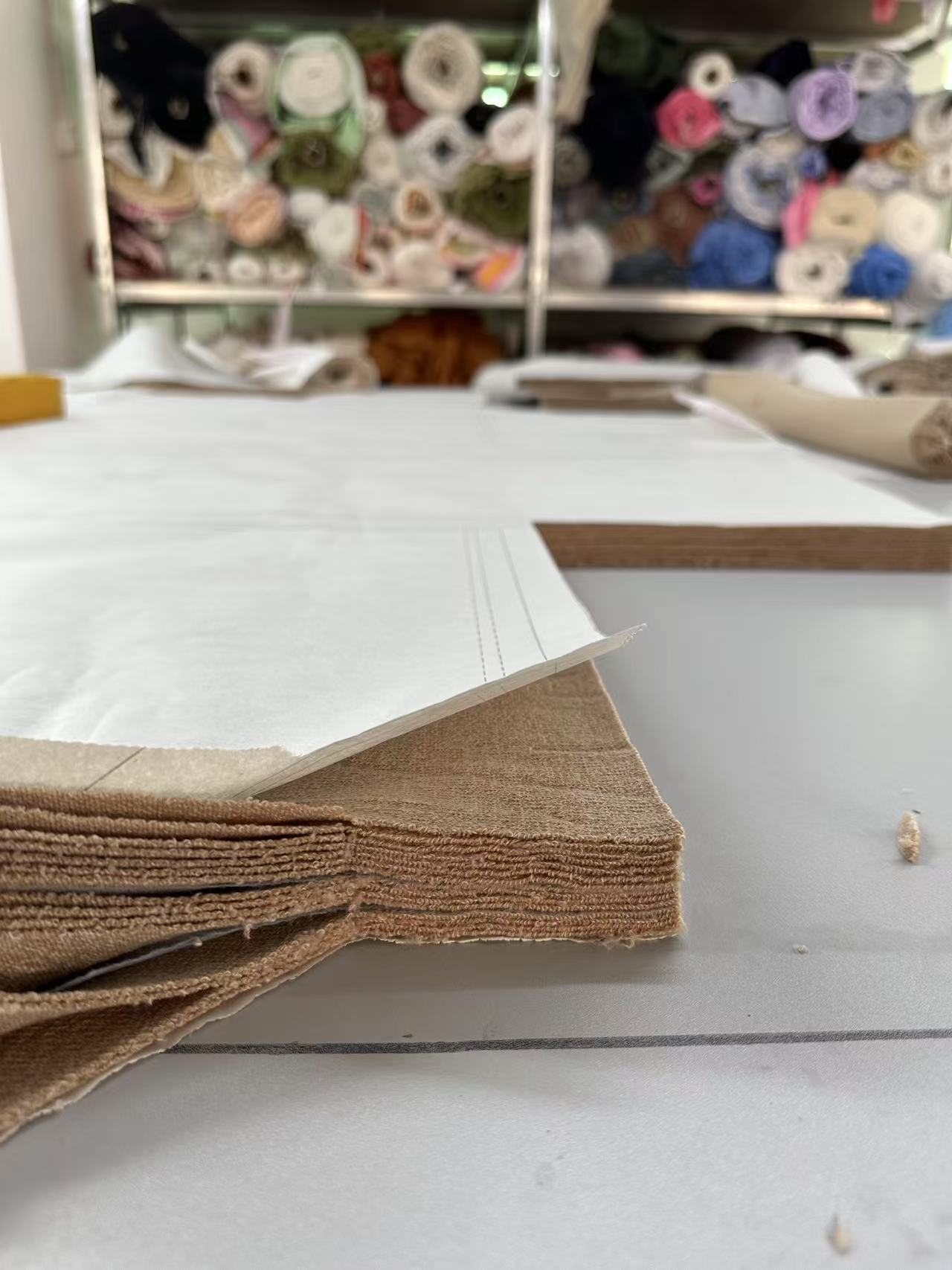
A factory’s display pieces demonstrate certain techniques, but your sample checks your fabric, fit and construction. Choose a first style that represents the collection’s important requirements.
For women’s fitted garments, assess proportions and movement as well as measurements. For children’s clothing, review openings, comfort and functional details. Send organized feedback with photos and dimensions so the factory can respond to a clear brief.
此区块的副标题
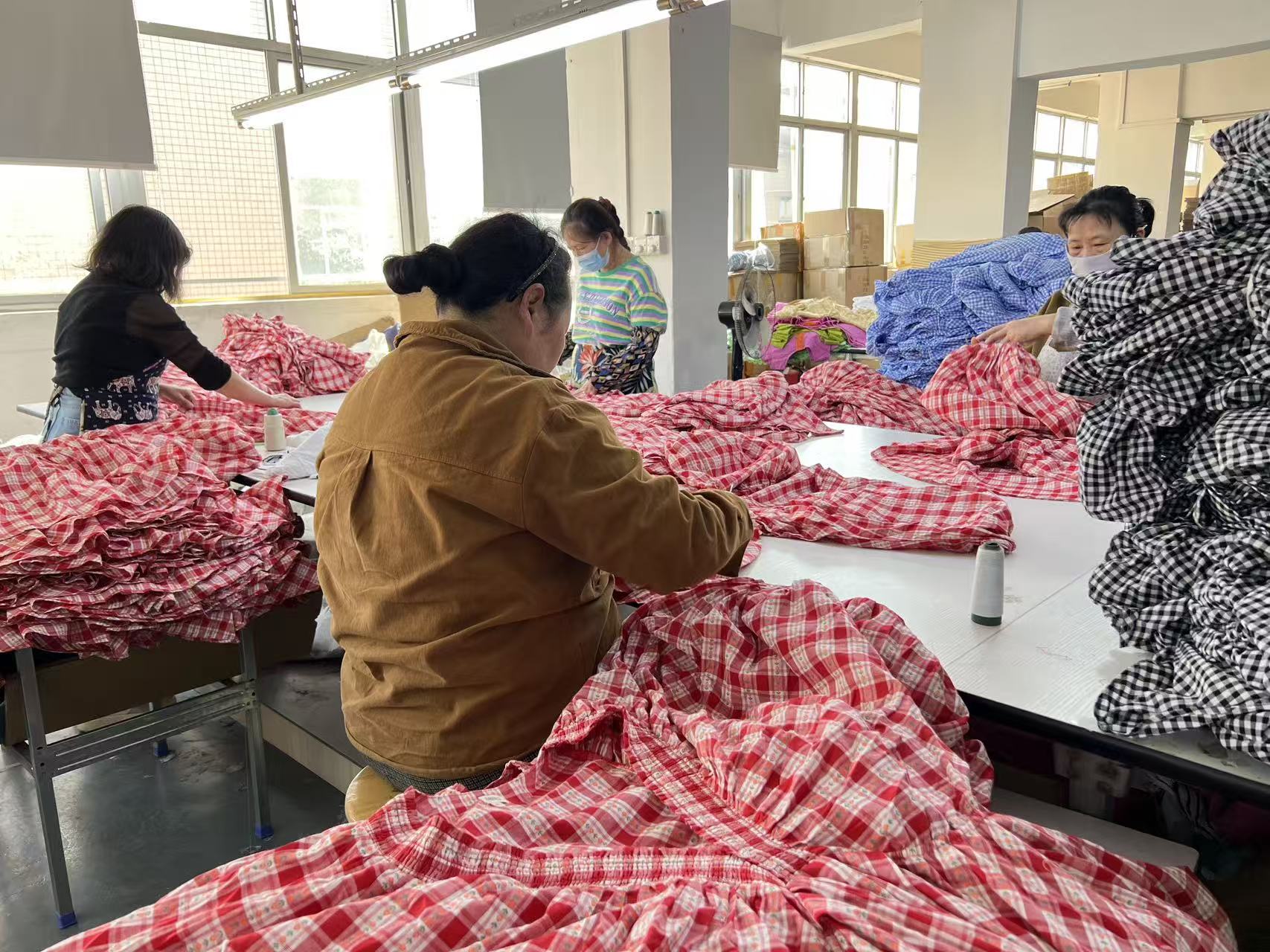
QC
此区块的文本
6. Assess communication through decisions
Look at whether the supplier identifies missing information, explains tradeoffs and records approvals. Speed matters, but a quick answer without checking the actual design is not enough to confirm feasibility.
Agree on the main contact and who can approve changes. If an agent assists, establish their authority before material purchasing or sampling. Keep a written record of the latest approved specification.
Clarify the development process: Email your sample priorities and intended schedule, or contact us on WhatsApp +86 133 9237 1667.
7. Confirm the path from sample to production
Ask what starts the bulk lead time, which approvals are needed and how QC will use the agreed specification. Sampling and production are separate stages; a first-sample completion date is not a shipment date.
Laiwen Clothing generally plans around two weeks for sampling and four to five weeks for bulk production after the required approvals and deposit. Actual timing depends on materials, construction and scheduling. Confirm the plan for your order rather than relying on a general estimate discussed during a visit.
Ask for a sample of your garment, not a display piece
A factory’s display pieces show what it can do at its best, with its own materials and its own timeline. Your sample shows what it will do with your fabric, your fit, and your construction — and that is the only evidence that matters for your order. When you shortlist a manufacturer, ask for a sample of one of your own styles before you compare final prices. Choose a style that represents the collection’s important requirements: a fitted bodice if fit matters, a lined style if lining matters, a printed style if print quality matters.
Review that sample the way you would review bulk goods. Check the measurements against the agreed specification, check the seams and finishing, wash it if washing matters, and wear it if fit matters. A supplier whose sample is careful with your details is more likely to be careful with your bulk order than a supplier whose display wall is impressive and whose sample is careless.
When one quote is much lower than the others
A quote that is far below the rest usually covers a different product. Before you celebrate it, check the same list: fabric specification, lining, trims, labels, packaging, sample terms, and freight. A lower price may exclude branded bags, embroidery setup, or the pre-production sample — costs that appear later, after you have committed.
Ask the low bidder to confirm, in writing, the exact specification the price covers. If the specification matches the others and the price is still much lower, ask how. The answer may be genuine — a stock fabric, a simpler construction, a fuller production schedule — or it may be a sign that something has been left out. A clear answer builds trust; an evasive one is itself an answer.
Ask who will handle your order
A good meeting does not guarantee a good order. Ask who your day-to-day contact will be, who can approve a change, and who checks quality before shipment. If an agent assists, establish their authority before material purchasing or sampling begins. A factory that names a person, records approvals, and explains tradeoffs is easier to work with than one that answers quickly without checking the actual design.
Working with Laiwen Clothing
Laiwen Clothing is a low-MOQ OEM/ODM garment manufacturer in Humen, Dongguan, making womenswear, childrenswear, and family wear for startups and small brands. Our minimum is 80–100 pieces per style per color, with some styles from 50 pieces; sampling usually takes 7–14 days and bulk production usually takes 4–5 weeks. If you are comparing manufacturers after a sourcing trip, send your brief and quantity breakdown to [email protected] or WhatsApp Lily on +86 13392371667, and we will explain our proposed development scope and what needs confirmation.
Frequently asked questions
Should I choose the lowest factory quotation?
First confirm that materials, construction, quantities and included services match. Then consider sample execution and the production process alongside price.
Can I request an updated quotation after returning home?
Yes. Send the latest brief and quantity breakdown, identify changes since the meeting and ask the supplier to confirm its current proposal.
What if I met a supplier at an office rather than a production workshop?
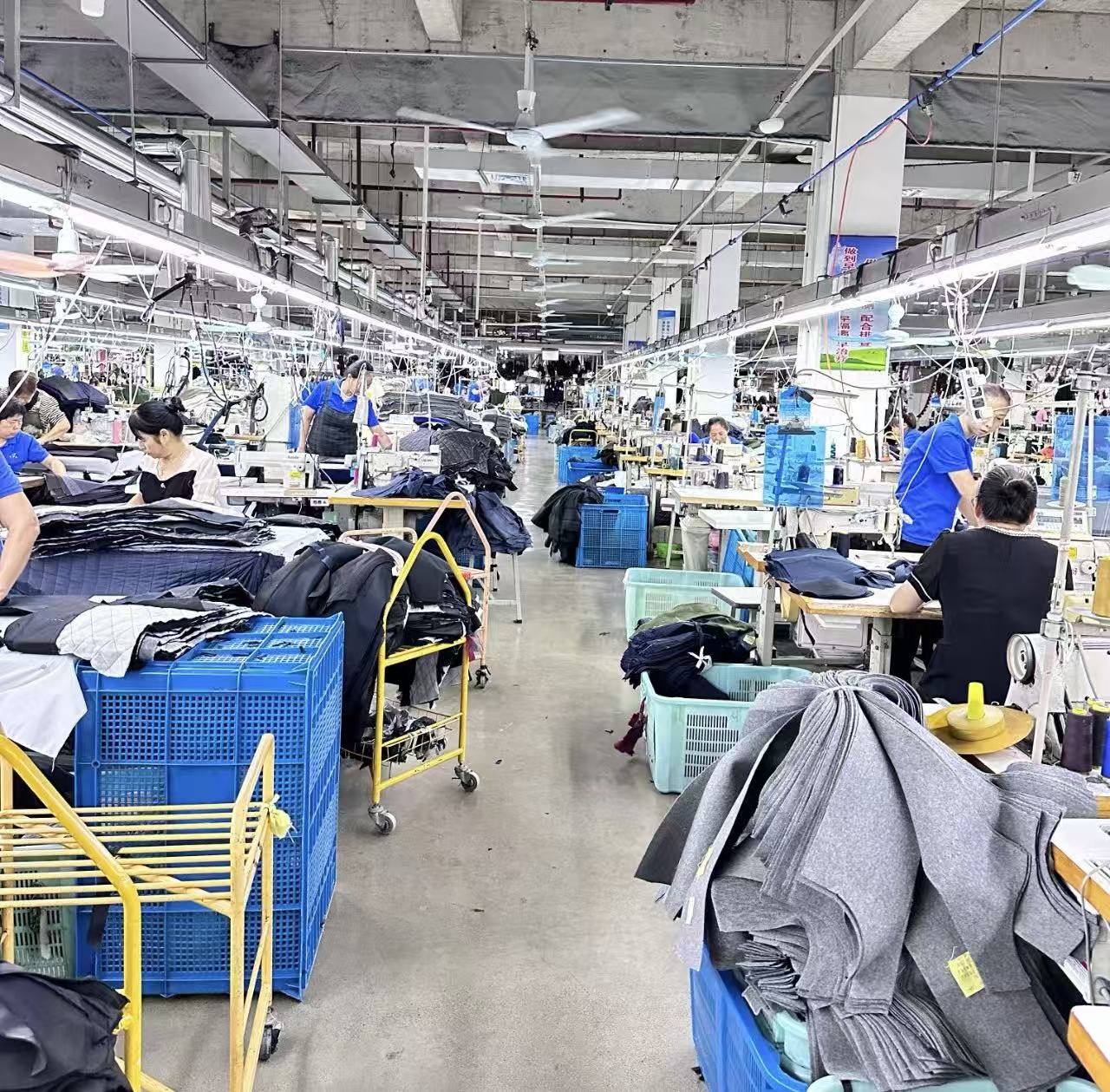
Clarify which activities take place at each location. An office or sample-room meeting can support development, but it is different from reviewing a bulk sewing workshop.
Discuss your next collection with Laiwen Clothing
Compare clothing manufacturers using a clear brief: Send your designs, material priorities and quantities per style and color to [email protected], or WhatsApp +86 133 9237 1667. We will explain our proposed development scope and what needs confirmation.