
A transparent breakdown from a garment factory owner, helping fashion brands make smarter manufacturing decisions.
This article is written from the perspective of a garment factory owner in China, working closely with emerging fashion brands and independent designers on small-batch women’s wear production.
Over the years, we’ve supported brands from the US, Europe, and the Middle East in developing low-MOQ collections — from sampling to bulk production — while balancing cost control, quality, and scalability.
One of the most common questions we hear from new fashion brands is:
The answer is rarely about “factory margins.” Instead, it usually comes down to a few core cost drivers that are often overlooked during early-stage product development.
“Why do two garments that look similar receive very different production quotes?”
In this guide, we break down the five key factors that directly impact small-batch custom clothing costs, explained clearly from a factory’s point of view — so you can make informed, cost-efficient decisions before sampling or placing an order..
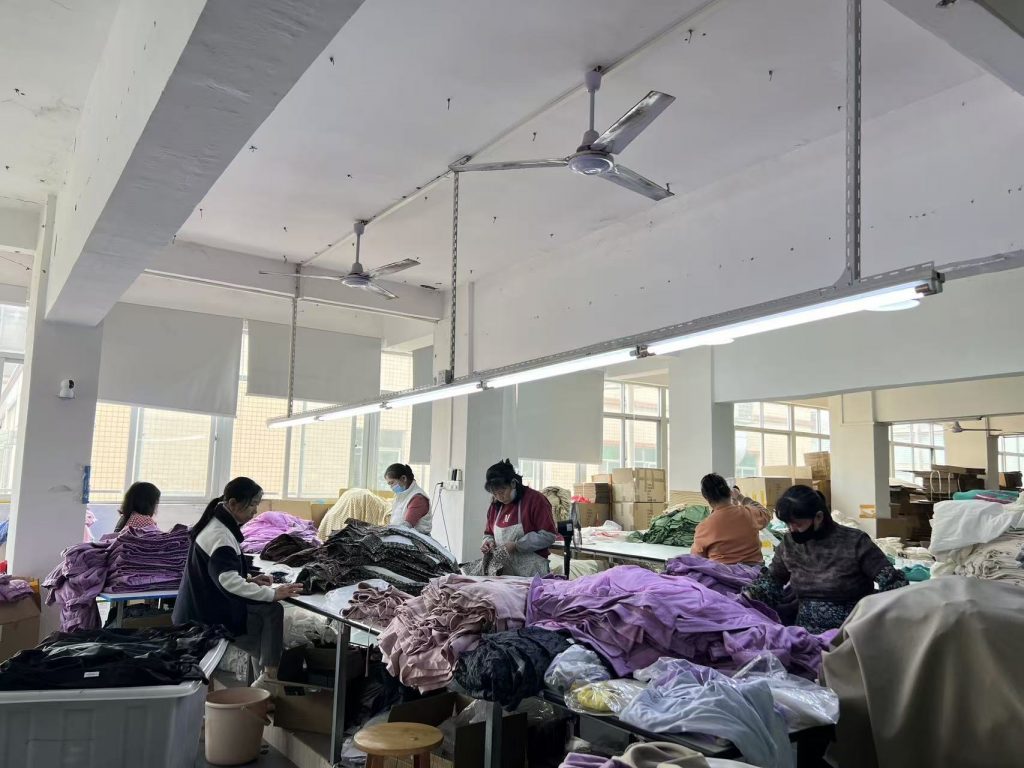
Factor 1: Fabric — The Foundation of Cost
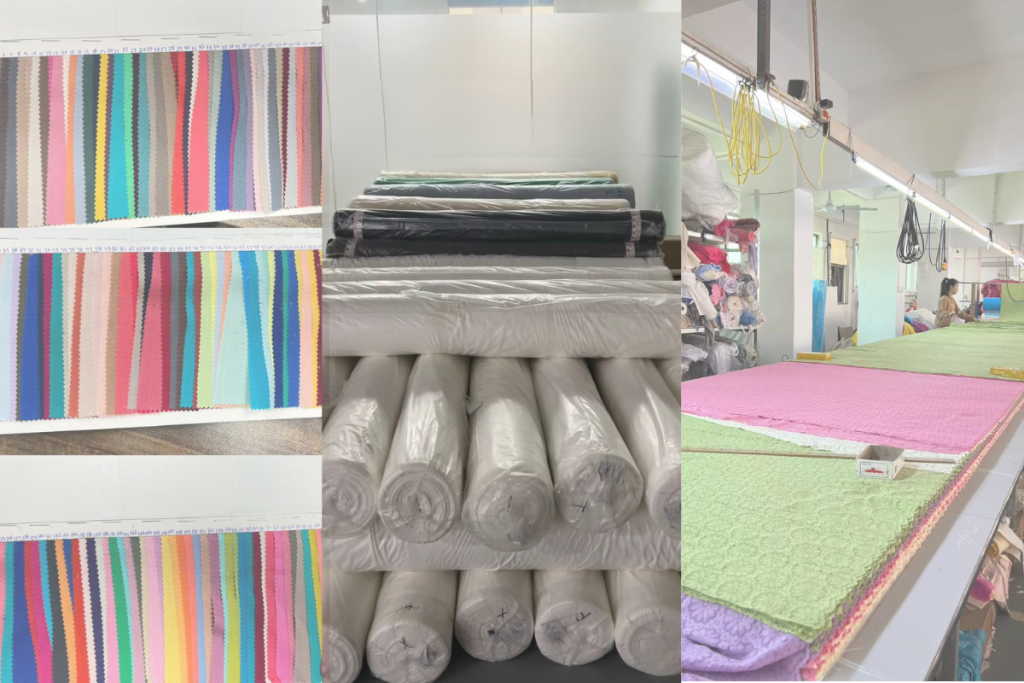
Fabric is the “skeleton” of a garment and usually accounts for 30%–50% of total production cost.
Key variables include:
- Material type: Natural fibers such as silk, wool, linen, and high-grade cotton generally cost more than synthetic or blended fabrics.
- Construction & finishing: High thread count, high-density weaves, or special finishes (waterproofing, wrinkle resistance, functional fibers) increase fabric cost.
- Purchase quantity: Small-batch production often comes with minimum fabric order requirements.
At Laiwen Clothing, we work with a curated network of fabric suppliers who support low MOQ sourcing, helping you strike the best balance between quality and cost.
Factor 2: Construction Complexity — Labor & Time Drivers
In garment manufacturing, details determine price.
- Standard processes: Basic stitching, zippers, and simple seams.
- Complex processes: Multi-layer paneling, intricate embroidery or printing, hand-beading, pleating, or special finishing techniques.
Each additional process increases labor time and production cost. During the sampling stage, we assess feasibility and recommend cost-effective construction alternatives without compromising design integrity.
Factor 3: Order Quantity — Spreading Fixed Costs
This is the core challenge of small-batch custom clothing.
Fixed costs such as:
- Pattern development
- Fabric cutting loss
- Production line setup
are shared across all units. The larger the order, the lower the fixed cost per piece.
Our 100-piece MOQ per style per color is designed to balance flexibility for growing brands with stable, controllable production costs.
Factor 4: Size Range — Pattern & Cutting Efficiency
Producing multiple sizes (XS–XL) requires more complex pattern grading, marker making, and cutting compared to a single-size run.
Providing:
- Accurate size charts
- Balanced size distribution
allows us to optimize fabric utilization and reduce unnecessary waste—saving you money without affecting fit quality.
Factor 5: Trims & Packaging — Small Details, Real Impact
Buttons, zippers, linings, labels, hangtags, and custom packaging all contribute to final cost.
We offer tiered trim and packaging options aligned with different brand positioning—from cost-efficient essentials to premium branding solutions—so your investment matches your market strategy.
Our Recommendation
Before requesting a quotation or starting production, try to clarify these five points:
- Design references or tech pack
- Fabric preferences or samples
- Target order quantity
- Size breakdown
- Key construction details
Clear inputs allow us to deliver accurate, competitive pricing from the start.
At Laiwen Clothing, we believe in transparent costing and long-term collaboration. If you have a specific design in mind, feel free to reach out—we’ll help you build the most efficient production plan for your brand.
