
Color differences between clothing samples and bulk orders are common in garment manufacturing. This article explains fabric dye lot variation, process differences, and how factories manage color consistency in small-batch production.
Fabric dye lot variation is one of the main reasons clothing samples and bulk production may look slightly different in color. For fashion brands, startup labels, and independent designers, this is a common issue in the garment sampling process—especially in small-batch clothing production.
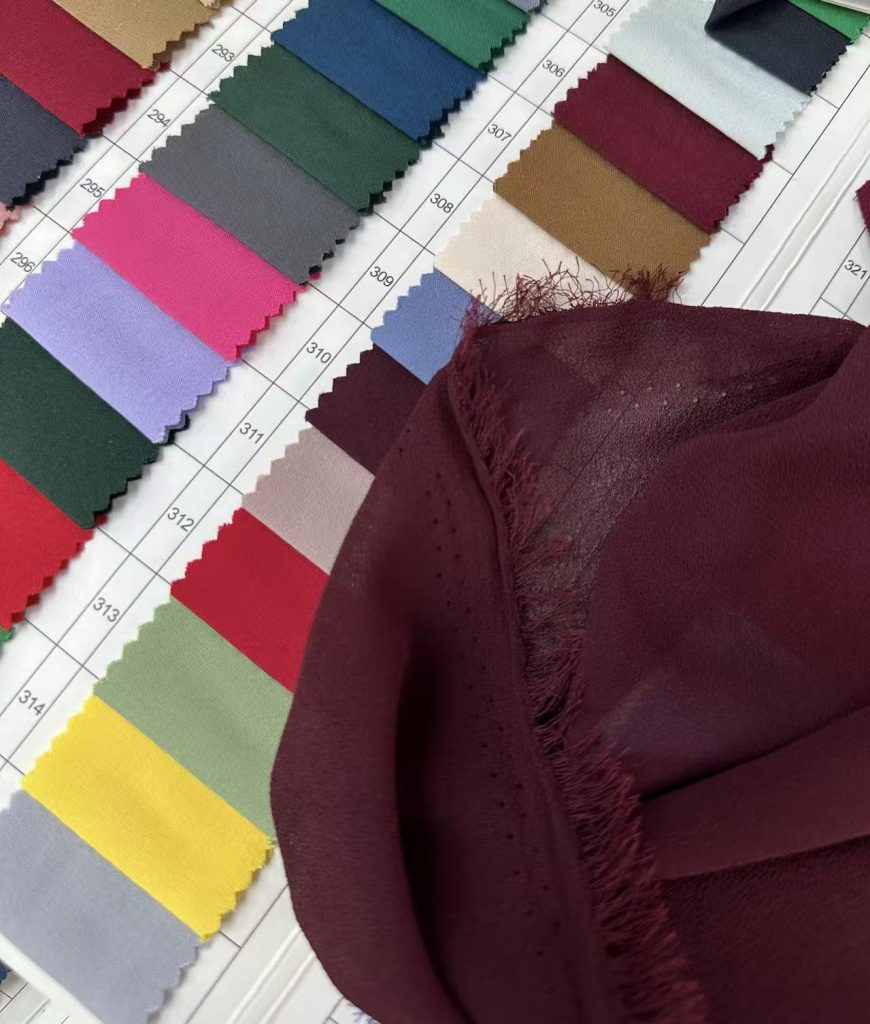
For many fashion brands and independent designers, the most common frustration is receiving bulk production that looks slightly different in color compared to the original sample. This is often the #1 complaint on platforms like Reddit or industry forums.
As a specialized small batch clothing manufacturer in China, Laiwen Clothing believes in transparency. Color discrepancy isn’t usually a sign of “cutting corners”—it is a complex technical reality of textile engineering. Here are the three core reasons why it happens and how professional factories manage it.
1. Fabric Dye Lot Variation (The “Dye Lot” Factor)
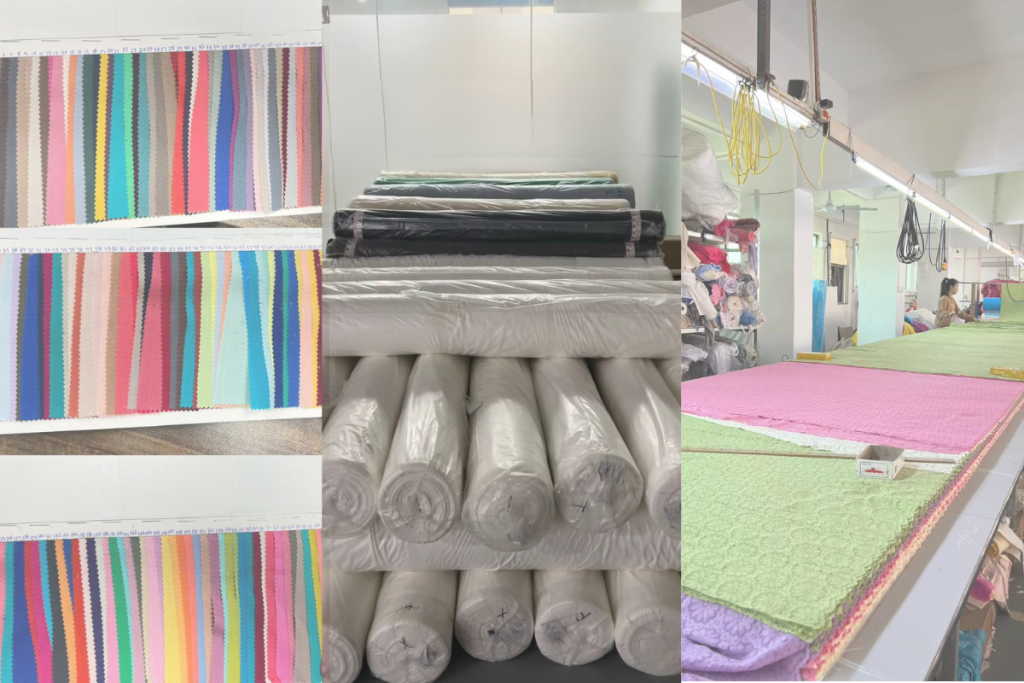
Most fabrics are dyed in batches called “dye lots.” Even with the exact same dye formula, variables like water temperature, pH levels, and immersion time vary slightly between batches.
- The Small Batch Challenge: In low MOQ clothing production, fabrics are often sourced from “stock lots” or dyed in small tanks. Small-tank dyeing is more prone to fluctuations than large-scale industrial dyeing, leading to “Dye Lot Variation” (often within the industry-standard Grade 4 tolerance).
2. Process Differences: Manual Sampling vs. Industrial Bulk
The way your sample is made is fundamentally different from how bulk orders are processed:
- Sampling: Often uses manual, small-scale printing or dyeing techniques.
- Bulk Production: Uses high-speed machinery (Rotary screen printing, industrial digital inkjet, or heat transfer).
The difference in pressure, heat, and speed during the garment manufacturing process means the fabric’s absorption of color will never be a 100% replica of the handmade sample.
3. Environmental & Post-Processing Impacts
The “look” of a color is affected by finishing treatments. Bulk production involves high-temperature industrial steaming and mass washing, which can subtly shift the “color light” (hue). Furthermore, humidity and seasonal temperatures in the factory—hot summers vs. dry winters—can affect how fibers react to dyes.
The Industry Reality
According to international standards (and Chinese GB/T 250), a certain level of color shift is considered acceptable. However, at Laiwen Clothing, we aim for excellence by keeping these variations invisible to the naked eye.
Need a reliable partner for your next collection?
FAQ 1
What is fabric dye lot variation?
Fabric dye lot variation refers to slight color differences between fabric batches dyed at different times or under different production conditions.
FAQ 2
Why do clothing samples and bulk production look different?
Samples and bulk orders may differ because of dye lot changes, different printing or dyeing methods, and post-processing conditions such as washing, steaming, or heat setting.
FAQ 3
Is color difference in clothing production normal?
Yes. A small level of color variation is normal in garment manufacturing and is usually managed within industry standards.
FAQ 4
How can brands reduce color difference in bulk production?
Brands can reduce risk by confirming lab dips or shade swatches before bulk production, using the same fabric batch, and working with an experienced clothing factory.
