
Starting a fashion brand is exciting, but for many founders, the first real challenge is product development.
A lot of startup brands come to us with a clear vision, reference photos, fabric ideas, and fit notes, but without a fully completed tech pack. This is very common, especially for new brands still refining their first collection.
At Laiwen Clothing, we work with emerging brands, independent designers, and growing labels looking for a low MOQ clothing manufacturer for startups. We support small-batch development for womenswear, dresses, tops, trousers, skirts, tailored garments, and other cut-and-sew categories.
This article explains how sample development can still move forward without a full tech pack, what information helps most, and how to make the process smoother.
Can You Start Sample Development Without a Full Tech Pack?
Yes, in many cases, you can.
A full tech pack is always useful because it helps reduce misunderstandings and improves development efficiency. But in reality, many startup founders are still organizing their ideas when they first contact a manufacturer.
In many cases, brands begin with:
- reference images
- notes on fit and silhouette
- preferred fabric direction
- basic size ideas
- branding expectations
- comments on details they want to keep or change
For an experienced clothing manufacturer for small brands, this can be enough to start discussing feasibility and preparing for sample development.
What Information Should You Send Instead?
If you do not yet have a full tech pack, sending clear and organized information will help a lot.
1. Reference Images
Please try to provide clear front, back, and side views. If there are important construction details, it is helpful to mark them directly on the image.
2. Notes on Fit and Silhouette
Simple descriptions are very useful, such as:
- fitted but not tight
- soft structure, not stiff
- straight-leg with relaxed ease
- tall fit with longer inseam
- modest fit with full coverage
- waist-length with curved hem
These details help the pattern team understand your direction more accurately.
3. Fabric Direction
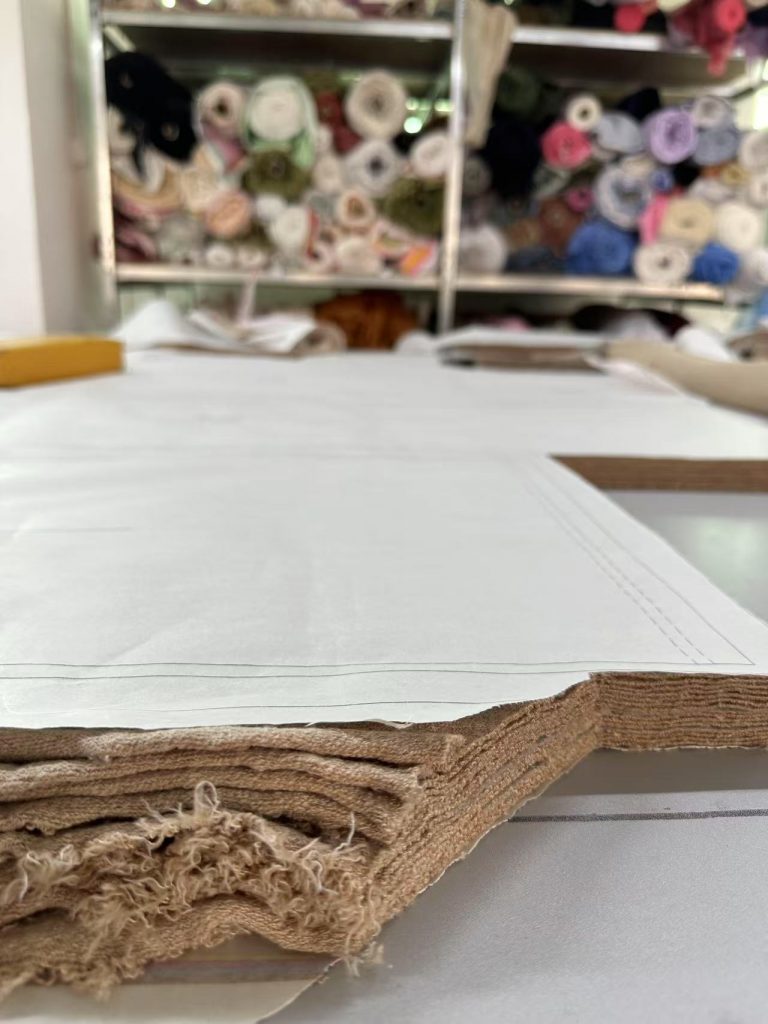
You do not always need to know the exact fabric code in the beginning, but it helps to describe the fabric clearly.
For example:
- breathable cotton with light texture
- viscose elastane for soft stretch
- modal blend with premium handfeel
- structured woven fabric for tailored pieces
- matte finish, not shiny
If you already know the composition, weight, stretch, or GSM, that is even better.
4. Construction Priorities
Tell your manufacturer what matters most for your design. For example:
- comfort
- drape
- body shaping
- modest coverage
- neckline stability
- soft structure
- premium finishing
- easy bulk repeatability
5. Estimated Order Quantity
Even an approximate quantity is helpful, because MOQ, sourcing, and cost all connect to your likely production scale.
Private Label Clothing Manufacturing
Why Many Startup Brands Begin With References and Notes
For many new labels, the first sample is part of the design process itself.
The first sample is not just about making one garment. It is also about testing:
- whether the shape works in real life
- whether the fabric matches the concept
- whether the construction is practical
- whether the target price is realistic
- whether the product fits the intended customer
That is why many brands searching for apparel sample development or a startup fashion brand manufacturer do not begin with perfect documents. They begin with a strong idea and a need for practical support.
How the Sample Development Process Usually Works
At Laiwen Clothing, the process usually follows these steps:
Step 1: Review Your Design Information
We review your reference images, notes, product category, and fabric direction to understand the style and assess feasibility.
Step 2: Confirm Basic Development Details
We discuss likely sample cost, timeline, fabric suggestions, and any important points that need clarification before development begins.
Step 3: Source Suitable Fabrics
If needed, we source fabric options locally based on your target composition, weight, texture, drape, and function.
Step 4: Make the First Sample
Our team develops the first sample based on the confirmed direction.
Step 5: Review and Revise
You review the sample for fit, silhouette, fabric feel, and detailing. Any comments can then be organized more clearly for the next round.
This is often the most practical way for brands looking for a custom clothing manufacturer in China to move from concept to sample.
Custom Womenswear Manufacturer
What Startup Brands Should Know Before Starting
A Sample Is Part of Development
A first sample is made to test and improve. It is normal for some details to be adjusted afterward.
Clearer Input Saves Time
The more clearly you organize your notes and references, the smoother the process will be.
Fabric Choice Affects Everything
The same design can look and feel very different depending on the fabric composition, weight, stretch, and finish.
Final Bulk Pricing Usually Comes Later
A rough estimate may be discussed early, but final bulk pricing is normally confirmed after fabric and construction details are clearer.
Too Many Changes Can Slow Progress
It is always better to finalize your key direction before the sample starts, especially when pattern work has already begun.
Why Low MOQ Matters for Startup Brands
For new brands, ordering too much stock too early can create unnecessary pressure.
Working with a private label clothing manufacturer with low MOQ allows you to:
- test the market with lower risk
- control inventory more carefully
- refine the product before scaling
- launch a smaller capsule collection
- validate demand before deeper investment
This is especially helpful for brands still developing fit standards, customer positioning, and collection structure.
FAQ
Can I start with only reference images?
Yes. Reference images plus clear notes can often be enough to begin discussing feasibility and sample development.
Do I need a full tech pack before making a sample?
Not always. A full tech pack is ideal, but many startup brands begin with images, basic measurements, notes, and fabric direction.
How long does sample development usually take?
This depends on style complexity and fabric sourcing, but many samples can be developed within around 7–14 working days after confirmation.
Can you help recommend fabrics?
Yes. If you share your preferred composition, handfeel, weight, stretch, and look, we can suggest suitable options.
Is low MOQ possible for startup brands?
Yes, but it depends on the design, fabric, and production process. Some styles are more flexible than others.
Can bulk pricing be confirmed before the sample?
Usually we can share an estimated range first, but final bulk pricing is best confirmed after details are finalized.
Do you support private label branding?
Yes. We support custom labels, hangtags, and packaging based on project requirements.
Final Thoughts
If you are developing your first collection, you do not need to wait until everything is perfect before contacting a manufacturer.
What matters most is finding a production partner who can understand your design direction, communicate clearly, and support sample development step by step.
At Laiwen Clothing, we support brands looking for a reliable low MOQ clothing manufacturer for startups, with experience in womenswear sample development, small-batch manufacturing, and custom apparel production in China.
START YOUR COLLECTION TODAY
Ready to develop your first sample or small collection?
Send us your:
- reference images
- fit notes
- target fabric direction
- estimated quantity
- branding requirements
We will review the project and give practical feedback step by step.
Contact Laiwen Clothing to start your sample development.
WhatsApp us for quick communication.
Email us to discuss your project.
