
For many startup fashion founders, the goal is exciting: launch new dresses regularly, keep the brand active, and build momentum collection by collection.
A question we often hear is: Can I launch a new dress every 4 weeks?
The answer depends on the type of dress, the stage of your brand, and how ready your development process is.
For simple styles with repeat fabrics and already-tested fits, a faster schedule may be possible. But for structured dresses, tailored silhouettes, lined garments, or original designs, each style usually needs more time than many startup brands expect.
At Laiwen Clothing, we work with brands that are developing custom womenswear step by step. In many cases, the best starting point is to separate launch timing from sampling and production timing. These are related, but they are not the same thing.
Launch Rhythm and Production Rhythm Are Not the Same
From a brand perspective, launching a new style every 4 weeks can sound like a strong strategy. It keeps your collection active and gives customers something new to follow.
But from a manufacturing perspective, a dress launch schedule only works when the development schedule behind it is realistic.
A structured dress is not the same as a simple casual item. It may involve a fitted body shape, internal support, lining, precise seam placement, zipper construction, and fabric performance requirements. These details take time to test and adjust.
This means a brand may aim for a regular launch cycle, but the development work for each dress often needs to begin much earlier.
Sampling and Bulk Production Should Be Planned Separately
Many startup brands use the word “timeline” to describe the entire process, but in reality, there are several stages inside that timeline.
A typical dress development process may include:
- design review
- fabric discussion
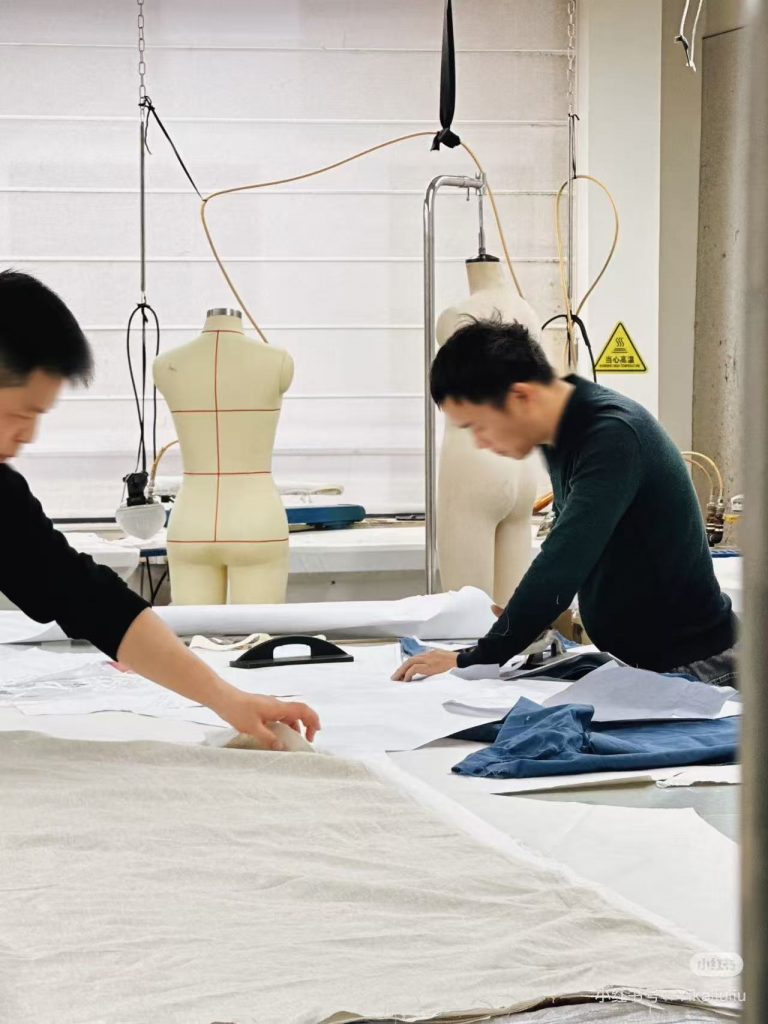
- pattern making
- first sample
- fit comments
- sample revision
- final confirmation
- bulk production planning
These steps do not always move in a straight line. Some styles need only small adjustments. Others need several corrections before the shape, fit, and finishing reach the right level.
For this reason, startup brands should avoid assuming that one new dress can always move from concept to final production within only 4 weeks.
Structured Dresses Usually Need More Development Time
Many new brands want to start with statement dresses because dresses help define the brand image quickly. This is often a smart branding decision, but it can make development more demanding.
Structured dresses usually need more attention in the following areas.
Pattern Accuracy
When a silhouette is close-fitting or highly shaped, small pattern issues become visible very quickly. A waist seam placed slightly too high or a hip balance that is slightly off can change the whole look of the dress.
Fabric Support
A dress may look strong in a sketch, but the fabric must support that shape in real life. If the fabric is too soft, the structure may collapse. If it is too stiff, the dress may become bulky or uncomfortable.
Lining and Internal Construction
Premium dresses often need lining, facing, support layers, or cleaner inside finishing. These details affect both the appearance and the wearing experience.
Fit Revisions
A first sample is often only the starting point. The brand may want to adjust the bust line, waist shape, peplum position, skirt length, slit opening, or overall balance before approving the style.
Because of this, a structured dress normally needs more development control than a basic ready-to-produce style.
A 4-Week Goal Can Work Better as a Development Milestone
For startup brands, a more practical way to think about a 4-week cycle is this:
Aim for a development milestone every 4 weeks, not necessarily finished bulk production every 4 weeks.
For example, one 4-week period may be used for design confirmation and sample preparation. The next period may be used for reviewing the first sample and making corrections. Another period may be needed for final sample approval and production planning.
This kind of schedule is often more realistic, especially in the beginning.
Once your brand has already completed several styles, confirmed preferred fit standards, and built a more stable communication process with the factory, it becomes easier to move faster later.
Fabric Choice Affects Both Price and Timeline
Another common question from startup brands is whether a factory can provide a price estimate early.
The honest answer is that pricing for dresses, especially structured dresses, usually depends heavily on the fabric direction.
When a client says they want good quality or not cheap material, that is a useful starting point, but it is not enough for accurate costing.
A factory usually needs to understand more details, such as:
- fabric type
- composition
- thickness
- GSM or weight range
- stretch or non-stretch
- lining requirement
- surface appearance
- whether the fabric must hold structure
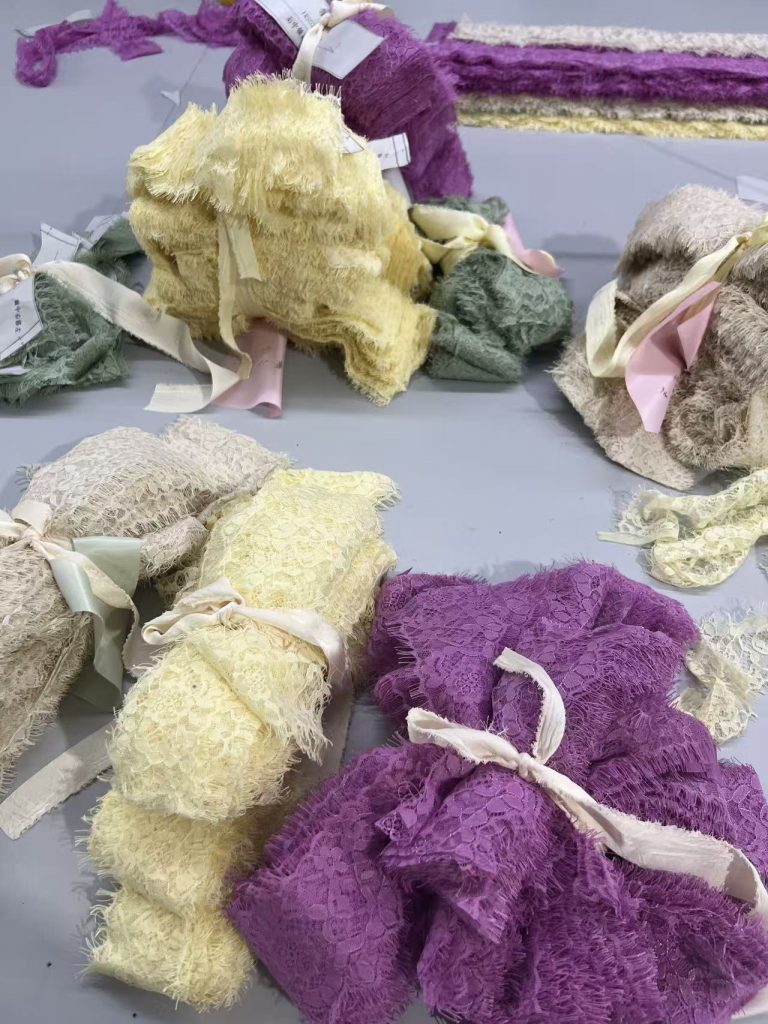
For example, some clients may mention heavier crepe, thicker woven fabric, or lined material because they want a polished silhouette and less wrinkling. These are important clues, but the development team still needs to evaluate whether that fabric is suitable for the style.
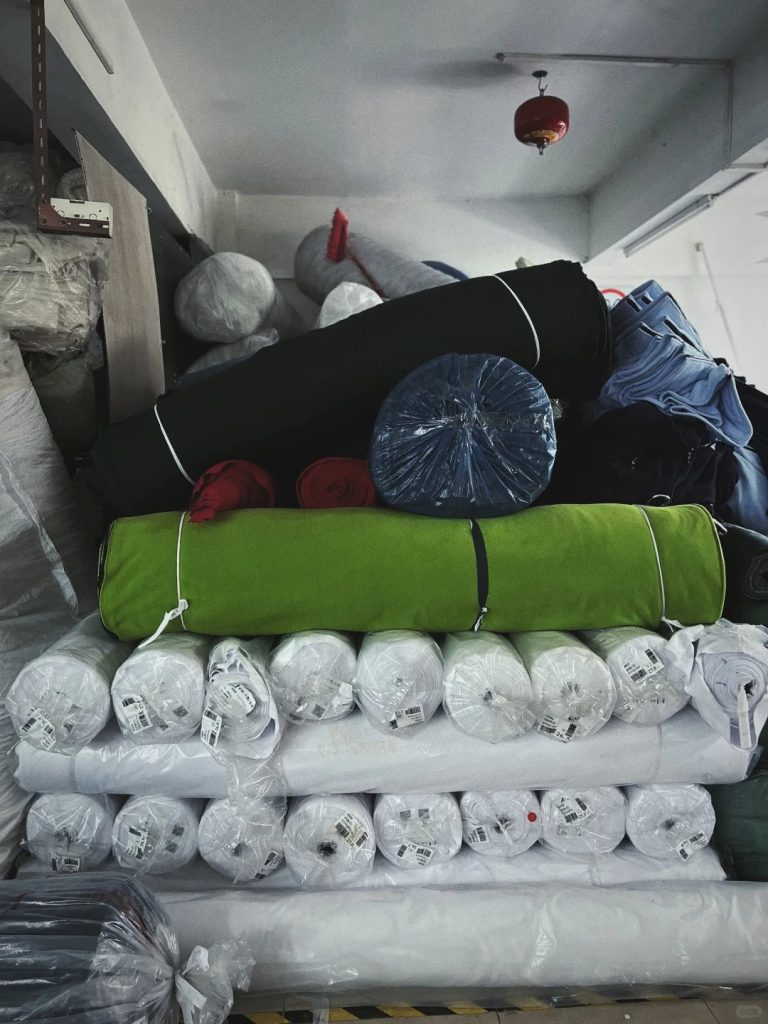
Fabric choice can also affect lead time. If the fabric is not available immediately, sourcing and confirmation may add extra time before sampling or production can begin.’
Is 50 Pieces Per Style a Reasonable MOQ for a Startup?
Many startup brands want to begin with a smaller quantity so they can test the market carefully. A quantity such as 50 pieces per style is a very common question.
In many cases, this can be workable. But there are several things to understand clearly.
First, smaller quantities usually lead to a higher unit cost. This is normal in garment manufacturing because development time, cutting setup, and production handling still require labor even when the order is small.
Second, not every dress style is equally suitable for small-batch production. A simple style is usually easier to manage at a lower MOQ. A highly tailored or detail-heavy dress may require more careful cost review.
Third, MOQ should not be the only question. The more important point is whether the style has already been developed well enough for production. Going into a small run before fit and construction are properly confirmed can create avoidable problems.
OEM / ODM Clothing Manufacturer
Can Two-Piece Designs Be Turned Into One-Piece Dresses?
Some startup founders realize that dresses may be easier to sell than two-piece sets. Because of that, they may ask whether an original two-piece design can be changed into a one-piece dress.
Commercially, this idea makes sense. But technically, it depends on the design.
A two-piece look and a one-piece dress do not always share the same construction logic. Waist balance, body proportion, movement, and seam placement may all need to change. In some cases, the conversion can work well. In others, the result may lose the original visual balance.
This is why it is important to review these changes during the sample stage instead of assuming the conversion will be simple.
A Better First Collection Strategy for Startup Brands
For most new brands, it is usually more effective to start with fewer styles and stronger control rather than too many new styles too quickly.
A practical first collection plan may include:
- one or two core dresses
- clear fabric direction
- realistic sample review time
- a manageable MOQ
- fit correction before bulk production
- a launch schedule based on actual development progress
This kind of approach helps protect product quality while still allowing the brand to grow step by step.
Once your first styles are successfully developed, future launches usually become easier because the factory already understands your preferred fit, construction level, and overall expectations.
The Better Question Is Not Only Speed
For startup brands, a better question than “Can I launch a new dress every 4 weeks?” is often this:
How should I plan my sample and production schedule so quality stays consistent?
This is a stronger question because it focuses on long-term brand building instead of speed alone.
A reliable factory should help you think through:
- which styles should be developed first
- which fabrics support the design
- how many sample rounds may be needed
- whether your MOQ fits the style complexity
- when development should begin for your target launch date
That kind of planning usually leads to better product results and smoother cooperation.
Final Thoughts
Yes, a startup brand can aim for regular dress launches. But for original, structured, and premium dresses, the process needs realistic planning.
A 4-week cycle may work well as a development checkpoint or sampling milestone, but it is not always a realistic full production timeline for every new style.
The more technical the dress, the more important it is to allow time for fabric confirmation, pattern development, fit correction, and production preparation.
At Laiwen Clothing, we work with startup brands and growing labels on custom womenswear development, including sample making, fabric sourcing, low MOQ production, and private label support. If you are planning your first dress collection and want a more practical production schedule, our team can help you review the next step.
FAQ
Frequently Asked Questions
Can a startup brand really launch a new dress every 4 weeks?
It depends on the design complexity. A simple style may move faster, but a structured or tailored dress often needs more time for pattern making, sampling, revisions, and fabric confirmation.
How long does dress sample development usually take?
Sample timing depends on the style, fabric readiness, and how many corrections are needed. More structured dresses usually take longer than simple styles because fit and construction need closer review.
Does fabric choice affect the timeline?
Yes. Fabric affects both pricing and development timing. If the material still needs sourcing or confirmation, the sample schedule and production schedule may both become longer.
Is 50 pieces per style possible for a startup brand?
In many cases, yes. But the unit cost is usually higher at lower quantities, and some detailed styles require more careful review before confirming a small-batch order.
Can a two-piece outfit be changed into a one-piece dress?
Sometimes yes, but not always. It depends on the original design and whether the balance, proportions, and construction still work after the change.
What is the best way for a startup brand to plan its first collection?
Start with fewer styles, confirm your fabric direction early, allow time for sample revisions, and avoid rushing bulk production before fit and quality are fully approved.
Planning your first dress collection?
Laiwen Clothing supports startup brands and growing labels with custom womenswear development, including sample making, fabric sourcing, low MOQ production, and private label support. Contact us to discuss your design ideas, quantity plan, and sampling schedule.
