
When customers evaluate a garment, they usually notice the silhouette, the fabric, the color, and the finishing first. But in premium womenswear, some of the most important quality decisions are hidden inside the garment.
Lining and interlining may not always be visible from the outside, yet they have a major impact on:
- structure
- comfort
- shape retention
- smooth dressing experience
- durability
- overall quality perception
At Laiwen Clothing, we treat these inner materials as a critical part of garment development, not as an afterthought. For dresses, jackets, blouses, tailored pieces, and selected modestwear styles, the right combination of lining and interlining helps create a more refined, stable, and comfortable finished product.
If you are looking for a private label womenswear manufacturer that pays attention to hidden construction details, this article explains why lining and interlining matter so much in premium garment development.
For project inquiries, contact us by email at [email protected] or via WhatsApp.
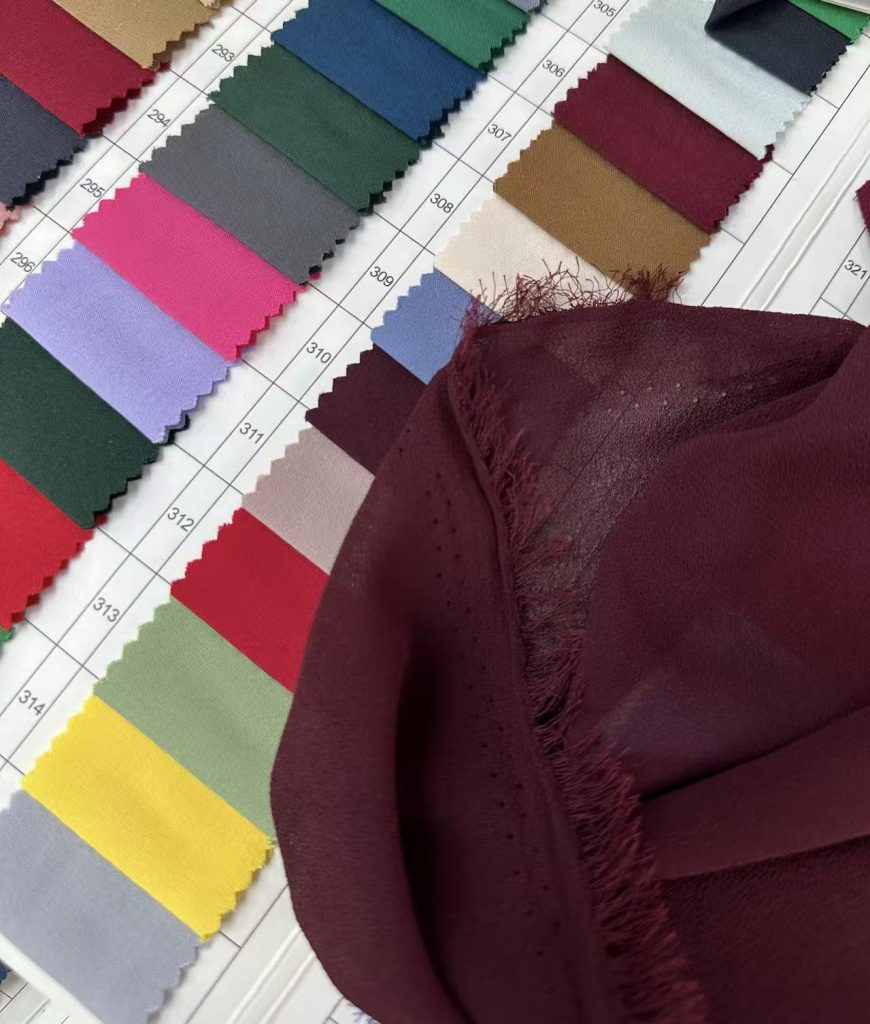
What Is the Difference Between Lining and Interlining?
These two terms are sometimes confused, but they serve different purposes.
Lining
Lining is the inner fabric layer that sits inside the garment. It can improve:
- dressing comfort
- smoothness when putting on or removing the garment
- coverage
- comfort against the skin
- the overall premium feel of the piece
Lining is especially relevant in dresses, skirts, jackets, coats, and some semi-sheer garments.
Interlining
Interlining is the hidden support material used between layers or behind key garment areas. It helps support shape, control structure, and reinforce areas such as:
- collars
- cuffs
- front plackets
- waistbands
- lapels
- facings
- selected bodice or front panel areas
Interlining plays a major role in how polished and stable a garment feels.
Understanding both materials is essential when developing premium womenswear.
Why Lining and Interlining Matter in High-Quality Womenswear
In premium garments, quality is not only about the shell fabric. The internal support system also affects the final result.
Good lining and interlining can improve:
- garment shape
- wearing comfort
- drape control
- internal neatness
- durability through repeated wear
- consistency in pressing and finishing
- the overall perception of quality
Poorly chosen internal materials can cause visible problems such as:
- bubbling
- stiffness
- poor drape
- static discomfort
- lining pulling
- mismatch in shrinkage
- reduced wearing comfort
That is why internal construction deserves serious attention from the beginning of sample development.
1. Interlining Matching: Choosing the Right Support for the Right Fabric and Area
Interlining is not one-size-fits-all.
At Laiwen Clothing, we choose interlining based on:
- shell fabric thickness
- garment style
- target silhouette
- required support level
- garment area
- pressing compatibility
- desired hand feel and drape
Common Interlining Types We Evaluate
Depending on the style and construction, we may evaluate:
- fusible interlining
- canvas-style support materials
- nonwoven interlining
- softer support options for delicate fabrics
- stronger support for structured zones
Why Garment Area Matters
Different parts of a garment need different levels of support.
For example:
- collars may need crisp control
- cuffs may need shape without over-hardness
- front plackets may need stability
- lapels may need controlled roll and support
- bodice areas may need reinforcement without visible bulk
This area-based selection helps us keep the garment balanced instead of making it too stiff or too weak.
2. Pressing Control: Temperature, Pressure, and Time Matter
Choosing the right interlining is only part of the job. Application is equally important.
In premium womenswear, fusible support must be applied with controlled:
- temperature
- pressure
- dwell time
If the pressing process is not controlled correctly, problems may occur, such as:
- bubbling
- weak bonding
- glue strike-through
- fabric surface damage
- changed hand feel
- poor drape after bonding
At Laiwen Clothing, we pay close attention to pressing compatibility so the support material works with the shell fabric rather than against it.
The goal is simple: strong and stable adhesion without damaging the surface, softness, or movement of the outer fabric.
If you are developing structured or tailored styles and need a factory that understands these details, visit www.laiwenclothing.com or email us your references at [email protected].
3. How Better Interlining Improves Shape, Feel, and Durability
Good interlining should support the garment invisibly.
A well-matched interlining system can help:
- improve collar and placket neatness
- prevent collapse in key areas
- maintain a cleaner front appearance
- improve the garment’s long-term shape
- reduce distortion through wearing
- make the product feel more substantial and refined
In premium womenswear, these hidden improvements often create the difference between a garment that merely looks acceptable and one that feels properly made.
This is especially important for:
- jackets
- dresses with shaped bodices
- blouses with structured collars
- tailored skirts
- coats
- selected modestwear garments that need clean front support
Need Support with Garment Construction and Internal Materials?
If you are unsure whether your design needs lining, interlining, or a more specific internal construction approach, our team can help you review it before sampling.
At Laiwen Clothing, we support:
- womenswear development
- fabric and trim sourcing
- sample making
- garment construction review
- private label production
- low MOQ manufacturing
Send us your:
- design sketches
- reference images
- fabric preference
- expected silhouette
- quantity plan
Website: www.laiwenclothing.com
Email: [email protected]
WhatsApp Us for more information.
4. Lining Fabric Selection: More Than Just a Smooth Inner Layer
Lining fabric is often underestimated. In reality, it affects both comfort and quality perception.
A good lining should work well with the shell fabric in terms of:
- comfort
- movement
- breathability
- moisture handling
- static control
- color harmony
- shrinkage compatibility
- overall hand feel
Why Lining Affects the Wearing Experience
Lining influences how the garment feels when worn and how easily it can be put on or taken off. It also affects how the inside of the garment looks and how the outer fabric behaves during wear.
For premium garments, poor lining choices can make the piece feel less breathable, less comfortable, or less refined.
5. Common Lining Materials We Consider in Premium Womenswear
Depending on the garment type and target positioning, we may evaluate lining options such as:
Silk Lining
Silk lining can offer a soft, luxurious feel and a premium internal finish. It is relevant in selected high-end garments where the client wants an elevated inside experience.
Cupro / Bemberg-Type Lining
Cupro is often appreciated for its smooth hand feel, comfort, breathability, and more premium wearing experience. It is a strong option in garments where comfort and quality positioning are both important.
High-Quality Polyester Lining
A well-chosen polyester lining can still perform very well when selected carefully. It may offer:
- smooth dressing performance
- stable sourcing
- good visual neatness
- more cost control than some natural or regenerated fibers
The key is not simply the fiber name, but whether the lining quality suits the shell fabric and garment purpose.
6. Shrinkage Matching and Compatibility: A Hidden but Critical Detail
One of the most overlooked technical points in garment development is compatibility between shell fabric and lining.
If the outer fabric and lining behave differently after pressing, washing, or wearing, problems can appear such as:
- pulling
- twisting
- internal tension
- distortion
- hem imbalance
- reduced comfort
That is why we pay attention to:
- shrinkage matching
- weight balance
- movement compatibility
- pressing response
- color coordination
This helps ensure the inner layer supports the garment rather than creating stress inside it.
7. Comfort Details: Breathability, Moisture, and Static Control
Lining is not only about neat appearance. It also affects how comfortable the garment feels in real life.
A good lining choice can help improve:
- breathability
- moisture comfort
- reduced cling
- smoother movement
- better comfort during dressing
This matters particularly in:
- dresses
- skirts
- jackets
- occasionwear
- modestwear with more coverage
- garments designed for longer wear time
For brands that want their product to feel as good as it looks, internal material choice is part of the quality story.
8. Internal Construction as a Brand-Level Quality Signal
Customers may not always know the technical terms behind lining and interlining, but they can often feel the difference.
When inner construction is done well, the garment usually feels:
- more polished
- more stable
- more comfortable
- easier to wear
- more trustworthy in quality
For brands building a premium image, these invisible details become part of the customer experience.
At Laiwen Clothing, we see internal construction as part of the full product value, not a hidden place to cut corners. This is especially relevant for fashion brands that want long-term quality reputation rather than only visual appeal.
FAQ: Lining and Interlining in Womenswear
What is interlining in clothing?
Interlining is a hidden support material placed inside specific garment areas to improve structure, reinforcement, and shape retention.
What is the purpose of lining in womenswear?
Lining improves comfort, smooth dressing, coverage, and the overall premium feel of a garment.
Why can poor interlining cause bubbling?
Bubbling can happen when the interlining type, adhesive behavior, pressing temperature, pressure, or time are not properly matched to the shell fabric.
How do factories choose lining fabric?
Factories usually consider comfort, static behavior, breathability, color coordination, shrinkage compatibility, and the product’s price and positioning.
Does every premium garment need lining?
Not always. The need for lining depends on garment style, transparency, structure, comfort requirements, and the desired finish.
Final Thoughts
In premium womenswear, quality is often shaped by the details customers do not immediately see.
Interlining supports structure. Lining supports comfort and refinement. When both are selected and applied correctly, the garment looks better, feels better, and performs better over time.
At Laiwen Clothing, we pay close attention to these internal construction details so that the final garment delivers not only visual appeal, but also real wearing quality.
If you are looking for a womenswear factory in China that understands lining, interlining, and premium garment construction, visit www.laiwenclothing.com, email [email protected], or reach us on WhatsApp for more information.
