
Choosing the right fabric is one of the most important decisions when building a fashion collection. The same garment design can look completely different depending on the material used. Fabric affects not only the appearance of the garment, but also comfort, drape, structure, pricing, production difficulty, and customer satisfaction.
For startup brands, independent designers, and growing labels, understanding the differences between cotton, linen, silk, and functional fabrics can help reduce development risk and improve product positioning from the very beginning.
At Laiwen Clothing, we support brands with fabric sourcing, sample development, private label customization, and low MOQ clothing manufacturing in China. If you are still comparing materials for your upcoming collection, you can explore our custom clothing manufacturing services and learn more about how we help brands move from idea to production.
If you would like faster support, feel free to contact us by email: [email protected] or on WhatsApp: +86 13418164320.
Why Fabric Choice Matters in Clothing Development
Fabric is not just a sourcing detail. It directly affects:
- the final look of the garment
- fit and comfort
- drape and movement
- garment structure
- production cost
- care requirements
- customer experience
- suitability for bulk production
For example, a loose summer dress made in cotton will feel different from one made in linen or silk. A fitted activewear top requires different performance characteristics than a relaxed modestwear dress. That is why fabric selection should always match the design, target market, and price range.
If you are developing a new line and need practical support, you can check our sample development process and contact our team for fabric suggestions based on your sketches, reference images, or tech pack.
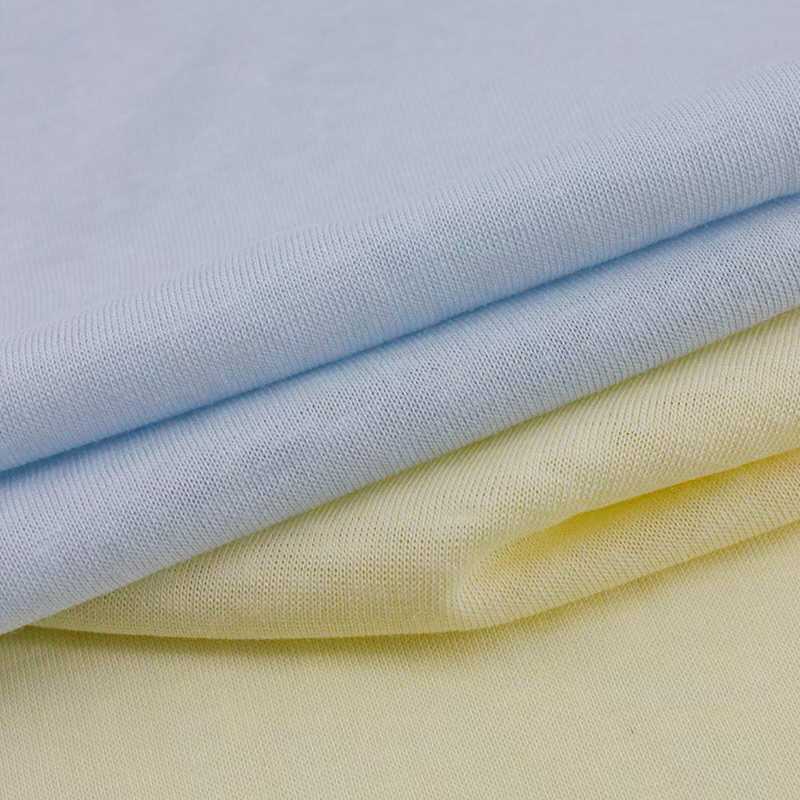
1. Cotton Fabric: Soft, Versatile, and Easy to Wear
Cotton is one of the most widely used fabrics in the apparel industry. It is popular because it is soft, breathable, skin-friendly, and suitable for many different clothing categories.
Key Characteristics of Cotton
- Natural fiber
- Soft hand feel
- Breathable and comfortable
- Good moisture absorption
- Easy to dye and print
Advantages of Cotton
Cotton is a great option for everyday clothing because it feels comfortable against the skin and works well in both casual and basic fashion categories. It is also relatively easy to process, which makes it suitable for many brands developing T-shirts, dresses, shirts, loungewear, and children’s wear.
Another major advantage is its flexibility. Cotton can be made into many fabric types, such as:
- Cotton jersey
- Cotton poplin
- Cotton twill
- Cotton fleece
- Cotton gauze
- Cotton flannel
This means cotton can be adapted for different product styles and seasons.
Disadvantages of Cotton
Cotton can wrinkle easily, especially in woven constructions. Some cotton fabrics may also shrink if not properly pre-treated. Compared with some synthetic or blended materials, pure cotton may not always provide enough structure, stretch, or performance for special-use garments.
Best Clothing Categories for Cotton
Cotton is ideal for:
- T-shirts
- Casual dresses
- Shirts and blouses
- Kidswear
- Pajamas and loungewear
- Lightweight skirts
- Basic tops
- Modest fashion basics
For brands looking for comfortable, breathable, and versatile fabrics, cotton is often the first material to consider.
If your brand is developing comfortable daily wear, cotton is usually a strong option to start with. For support with selecting the right cotton quality for your collection, you are welcome to explore our fabric sourcing support or email us directly at [email protected].
2. Linen Fabric: Natural Texture and Premium Relaxed Look
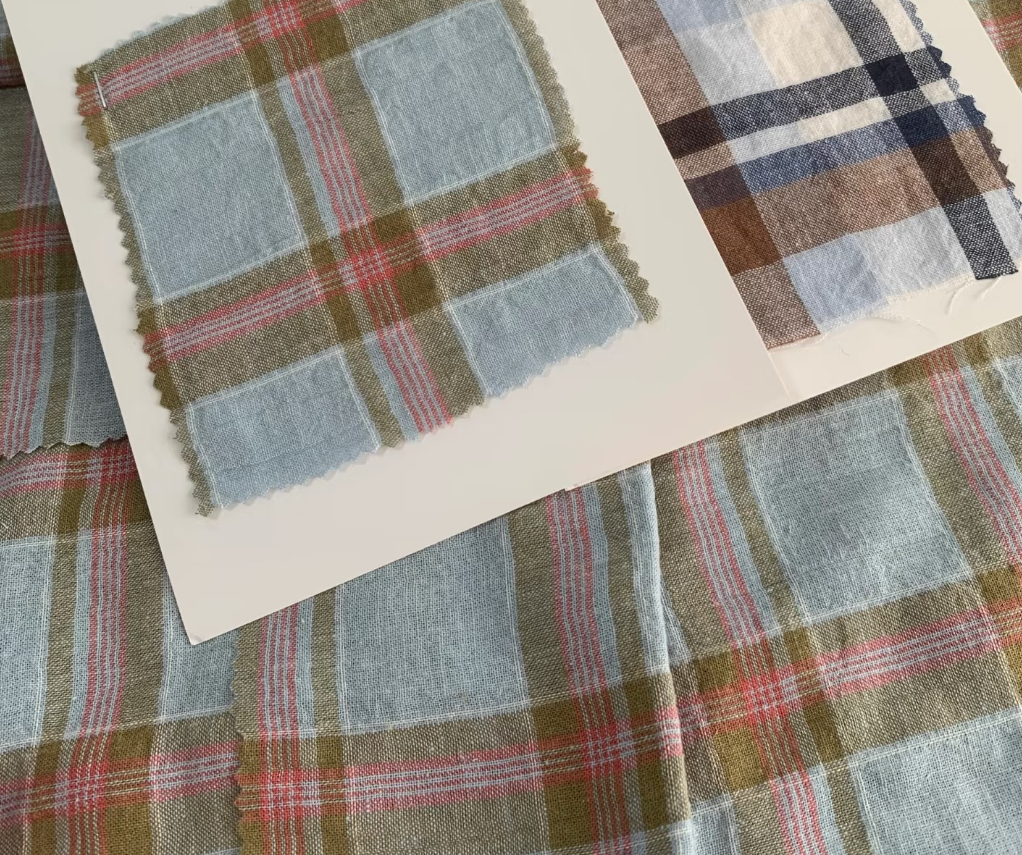
Linen is another natural fiber fabric, known for its breathable structure and elegant, slightly textured appearance. It is especially popular in summer collections, resort wear, and relaxed premium fashion.
Key Characteristics of Linen
- Natural fiber made from flax
- Dry and crisp hand feel
- Excellent breathability
- Strong natural texture
- Premium and organic appearance
Advantages of Linen
Linen has a very distinctive visual character. It gives garments a natural, elevated, effortless look that many customers associate with quality and understated luxury. It is highly breathable and works very well in warm weather collections.
For brands focused on resort wear, relaxed tailoring, modestwear, or premium casualwear, linen can help create a refined brand image.
Disadvantages of Linen
The most obvious disadvantage of linen is wrinkling. This is part of its natural charm, but it may not suit every market. Linen also tends to have less softness than cotton, especially at the beginning, and it can be more expensive depending on fiber quality and blend ratio.
For some structured or body-hugging garments, linen may not be the best choice because it does not always drape in a fluid way.
Best Clothing Categories for Linen
Linen is suitable for:
- Summer dresses
- Loose shirts
- Wide-leg pants
- Two-piece sets
- Modest dresses
- Abayas with relaxed silhouettes
- Resort wear
- Premium casual collections
For many brands, linen blends such as linen-cotton or linen-viscose can be a practical solution because they help balance comfort, softness, drape, and cost.
If you are developing a linen collection and want help evaluating sourcing options, MOQ, or sample feasibility, visit www.laiwenclothing.com or message us on WhatsApp Us for fabric photos and videos.
3. Silk Fabric: Luxury, Softness, and Elegant Drape
Silk is often associated with luxury fashion because of its natural sheen, smooth touch, and beautiful drape. It is one of the most premium fabric choices for elevated garments.
Key Characteristics of Silk
- Natural protein fiber
- Smooth and soft surface
- Elegant sheen
- Fluid drape
- Lightweight yet luxurious feel
Advantages of Silk
Silk offers a high-end look that is difficult to replace with other fabrics. It feels soft and cool on the skin, and it moves beautifully with the body. This makes it especially attractive for premium women’swear and occasionwear.
Silk can instantly improve the perceived value of a garment, making it a strong choice for brands targeting upscale customers.
Disadvantages of Silk
Silk is delicate and usually requires more careful handling during both manufacturing and daily wear. It can be more expensive, more sensitive to washing conditions, and sometimes less practical for mass-market garments.
In production, silk also requires closer attention to cutting, sewing, and finishing. For new brands with tight budgets, silk may not always be the best starting fabric for early-stage sampling or bulk production.
Best Clothing Categories for Silk
Silk works well for:
- Slip dresses
- Blouses
- Luxury tops
- Eveningwear
- Scarves
- Premium modestwear
- Occasion dresses
- Soft draped garments
For brands that want a similar visual effect with lower cost or easier care, alternatives such as silk blends, satin, or high-quality polyester with silk-like hand feel may also be worth considering.
At Laiwen Clothing, we support brands with low MOQ clothing manufacturing, custom garment development, OEM & ODM production, and private label services.
You can:
- visit our website: www.laiwenclothing.com
- email us: [email protected]
- WhatsApp us: +86 13418164320
Send us your design sketches, reference pictures, or target fabric direction, and we can help recommend suitable options.
Need Help Choosing the Right Fabric for Your Collection?
If you are not sure whether your design should be developed in cotton, linen, silk, or another fabric, our team can help you evaluate based on:
- Your target price
- Garment structure
- Fit and drape
- End use and season
- MOQ and sourcing feasibility
- Sampling and bulk production risk
At Laiwen Clothing, we support brands with:
- Fabric sourcing
- Sample development
- Pattern making
- OEM & ODM clothing production
- Private label customization
- Low MOQ manufacturing
Visit our website to learn more:
www.laiwenclothing.com
For quicker communication, you are also welcome to contact us on:
Email:[email protected]
We can share fabric photos, videos, and suitable material suggestions according to your designs.
4. Functional Fabrics: Performance, Comfort, and Modern Utility
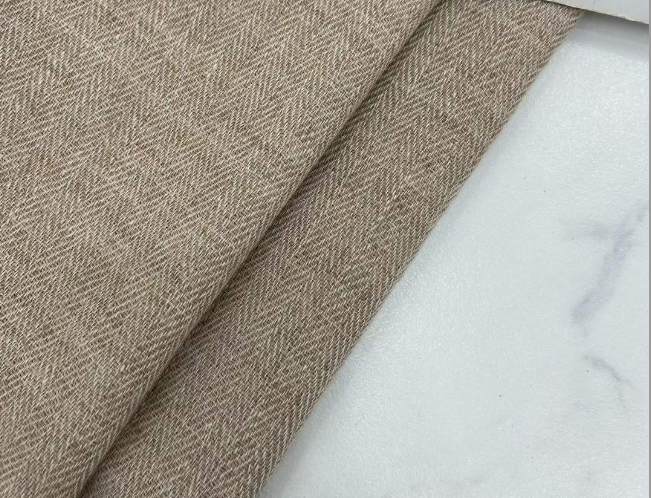
Functional fabrics are designed with performance features beyond basic appearance. Depending on the yarn, fiber composition, and finishing process, these fabrics can offer moisture-wicking, stretch, quick-dry, wrinkle resistance, UV protection, water resistance, or other technical properties.
Key Characteristics of Functional Fabrics
- Often blended or synthetic-based
- Performance-focused
- Can include stretch or recovery
- Designed for active use or special environments
- Available in many weights and finishes
Advantages of Functional Fabrics
Functional fabrics are highly practical for modern consumers who care about comfort, movement, easy care, and multi-purpose wear. They are especially useful for activewear, outdoor wear, uniforms, travel clothing, and certain everyday fashion categories where performance matters.
For example:
- Moisture-wicking fabrics are ideal for sportswear
- Wrinkle-resistant fabrics are useful for travel wear
- Water-resistant fabrics work for outerwear
- Stretch fabrics improve fit and comfort
These materials are often a strong choice for brands that want to combine fashion with function.
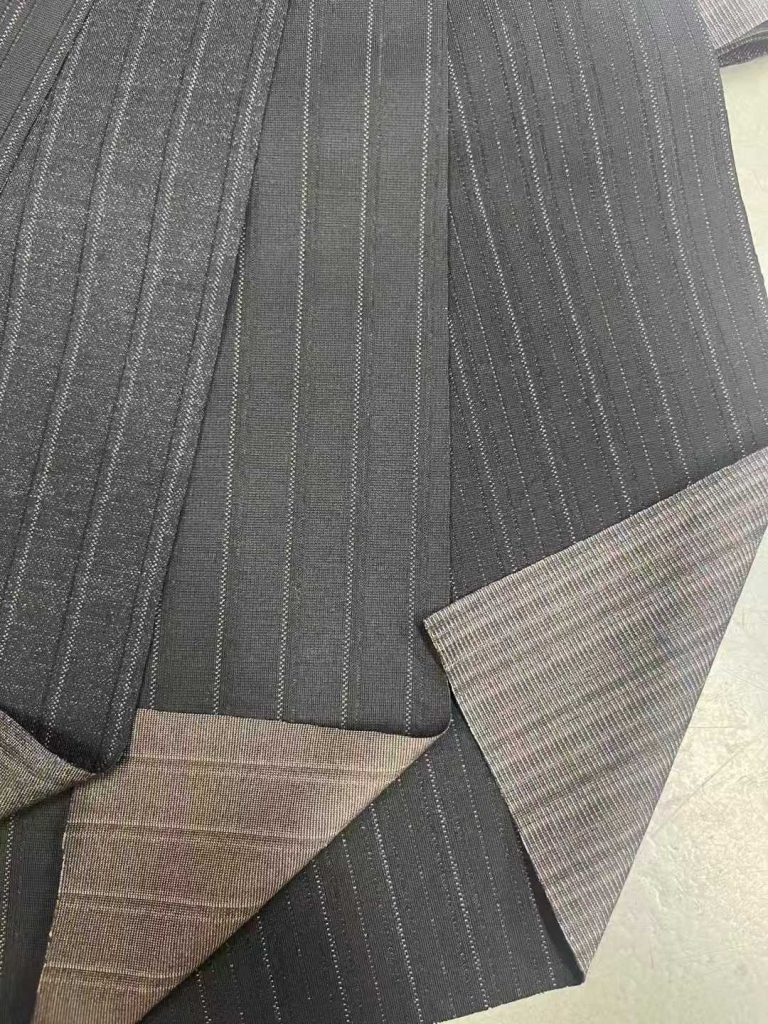
Disadvantages of Functional Fabrics
Some functional fabrics may feel less natural than cotton, linen, or silk. Depending on the composition, they may also have different breathability levels. The sourcing process can be more technical, and some finishes or specialty materials may increase cost.
It is also important to match the fabric performance to the actual garment purpose. Choosing a highly technical fabric for a simple fashion item may increase cost without adding enough customer value.
Best Clothing Categories for Functional Fabrics
Functional fabrics are commonly used for:
- Activewear
- Yoga wear
- Sports bras and leggings
- Outdoor jackets
- Travel clothing
- Uniforms
- Performance dresses
- Stretch pants
- Lightweight weather-protective garments
For brands creating athleisure, activewear, performance modestwear, or functional uniforms, this category offers many possibilities.
If your collection includes active or performance-driven products, our custom clothing manufacturing team can help you evaluate suitable fabric directions before sampling begins.
How to Choose the Right Fabric for the Right Garment
There is no single “best” fabric for all clothing. The right choice depends on your brand positioning, garment category, customer expectations, and price target.
Here are some general guidelines:
Choose Cotton If:
You want comfort, softness, breathability, and broad market appeal.
Choose Linen If:
You want a natural, premium, breathable fabric with an effortless and textured look.
Choose Silk If:
You want elegance, luxury, drape, and a higher-end image.
Choose Functional Fabrics If:
You need stretch, performance, wrinkle resistance, moisture control, or weather-related features.
For many brands, the most practical solution is not always a pure fiber fabric. Blends can often improve the balance between:
- appearance
- comfort
- cost
- durability
- care requirements
- bulk production stability
That is why fabric sourcing should always be connected to the actual design, fit, construction, and sales positioning of the product.
If you are unsure which fabric is best for your collection, send us your design brief by email: [email protected] or visit www.laiwenclothing.com to learn more about our development and production services.
How Laiwen Clothing Supports Fabric Selection and Garment Development
At Laiwen Clothing, we work with startup brands, independent designers, and established labels looking for a reliable custom clothing manufacturer in China.
We can support you with:
- fabric sourcing
- sample making
- pattern development
- OEM & ODM clothing production
- private label customization
- low MOQ order support
- production follow-up
We understand that choosing fabric is not just about price. It is also about whether the fabric matches the design, fit, market, and production plan. That is why we communicate closely with clients during development and share practical suggestions whenever needed.
To start your project, you can:
- browse our website: www.laiwenclothing.com
- send us an email: [email protected]
We are happy to review your references and discuss the most suitable material options for your brand.
Final Thoughts
Fabric choice plays a major role in how a garment looks, feels, performs, and sells. Cotton, linen, silk, and functional fabrics each have their own strengths and limitations, and choosing the right one can help improve product quality while reducing unnecessary development mistakes.
For fashion brands, especially those building new collections, understanding fabric characteristics early can make the entire process smoother — from sourcing and sample development to pricing and bulk production.
If you are looking for a low MOQ clothing manufacturer, need help with fabric sourcing, or want support developing your next collection, Laiwen Clothing is here to help.
Visit www.laiwenclothing.com
Email us at [email protected]
Or contact us on WhatsApp: +86 13418164320
